Exactly how to Choose If Assisted Living Is the most effective Fit
Business Name: BeeHive Homes of Granbury
Address: 1900 Acton Hwy, Granbury, TX 76049
Phone: (817) 221-8990
BeeHive Homes of Granbury
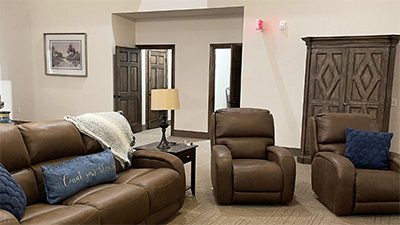
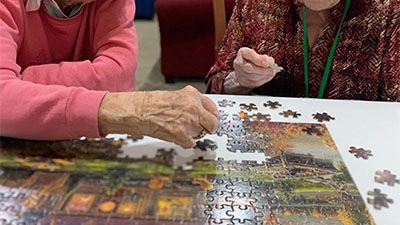
BeeHive Homes of Granbury assisted living facility is the perfect transition from an independent living facility or environment. Our elder care in Granbury, TX is designed to be smaller to create a more intimate atmosphere and to provide a family feel while our residents experience exceptional quality care. BeeHive Homes offers 24-hour caregiver support, private bedrooms and baths, medication monitoring, fantastic home-cooked dietitian-approved meals, housekeeping and laundry services. We also encourage participation in social activities, daily physical and mental exercise opportunities. We invite you to come and visit our assisted living home and feel what truly makes us the next best place to home.
1900 Acton Hwy, Granbury, TX 76049
Business Hours
Choosing where an older adult needs to live is rarely a tidy, obvious decision. It typically arrives after a slow build-up of little things: a missed meal below, a forgotten medication there, a loss that might have been even worse, a home that utilized to really feel soothing now appears more difficult to manage each month. Family members typically invest a long time trying to preserve the status quo, which impulse is understandable. Most individuals wish to stay home as long as feasible. The inquiry is not whether home matters, however whether home is still the most safe and most sustainable setup for daily life.
Assisted living sits in that middle room between total self-reliance and permanent competent nursing. For many people, it preserves dignity, privacy, and routine while minimizing the concern of food preparation, home cleaning, transport, medication tips, and isolation. For others, it is not the ideal level of support at all. The genuine difficulty is finding out exactly how to tell the difference without awaiting a dilemma to decide for you.
What assisted living really is, and what it is not
Assisted living is often defined as well broadly, which brings about confusion. Some households picture a clinical atmosphere, while others envision a resort with help available if required. The reality is somewhere in between those extremes. Assisted living neighborhoods are designed for individuals that can no more take care of every element of every day life securely by themselves, however that do not need the constant clinical supervision of a nursing home.
A common neighborhood aids with activities such as showering, dressing, brushing, dishes, medication suggestions, flexibility assistance, and transportation to appointments or tasks. The exact solutions vary extensively, and that variation matters. One community might be well matched to a person who needs a hand with bathing and reminders to take morning drug. One more might be much better for an individual that requires regular cueing, close supervision, or advanced personal care.
It is similarly vital to comprehend what assisted living is not. It is not suggested to replace knowledgeable nursing look after a person with complex wounds, unsteady clinical conditions, or 24/7 scientific needs. It is additionally not a wonderful fix for dementia, family members conflict, or persistent loneliness. An excellent fit depends on the individual's requirements, choices, and medical facts, not on a sales brochure or a floor plan.
When family members search for assisted living near me or senior care near me, they are typically truly asking a much deeper concern, which is not simply where can my parent live, but what kind of assistance will really make life better?
The indicators that home is beginning to antagonize someone
Families generally do not pick assisted living because of one dramatic occasion. Regularly, the proof gets here in layers. A parent who made use of to cook every evening now relies on treats and frozen food since cooking feels laborious. A partner notifications medicine bottles accumulating or being taken at the incorrect times. A son stops by and realizes the refrigerator has lots of expired food. A little girl gets a telephone call after an additional loss, and the description does not quite make sense.
There are a few patterns I watch carefully when assisting family members assume this with. The very first is a decline in personal hygiene or appearance. People do not stop showering or clothing well even if they are being stubborn. In some cases the shower feels dangerous. Often joint inflammation makes buttons and zippers unpleasant. Occasionally depression or cognitive decline makes the entire regular feeling overwhelming.
The 2nd pattern is medicine drift. Missing one tablet might not seem major, yet duplicated errors can grow out of control. I have seen family members utilize tablet organizers, phone alarm systems, and color-coded graphes for months prior to understanding the genuine issue was not lapse of memory alone. It was the mix of forgetfulness, vision changes, poor hunger, and tiredness. Assisted living can aid with medicine suggestions, however if the individual can not reliably manage even with triggers, that is a meaningful signal.
The third pattern is social withdrawal. Older grownups who are quietly ending up being separated typically tell family they are "fine." They may be investing whole days alone, not because they delight in seclusion, yet since driving feels demanding, stairways are tiring, and reaching out to others has come to be harder than it made use of to be. Assisted living can be a strong alternative here since it naturally builds in contact with other individuals, meals, activities, and staff.
The fourth pattern is home maintenance crumbling. A residence that once really felt simple to handle can come to be a problem. Bills go unsettled, garbage gathers, the oven is seldom used, and a once-tidy area starts sensation harmful or cluttered. When the atmosphere begins to create risk, the conversation shifts from preference to practicality.
A reasonable take a look at the primary trade-offs
Assisted living is commonly the right selection for people who need assistance, however it is not immediately the most effective selection for everyone. The trade-offs are entitled to truthful attention.
The strongest debate for assisted living is safety with framework. Meals are offered. Aid is nearby. Team can observe changes in condition earlier than relative often can, especially if the older adult lives alone. That matters more than individuals realize. A delayed shower, an avoided lunch, or a small stumble can lead to a larger decline if no one is there to intervene.
The other major advantage is remedy for the undetectable labor of every day life. Many older grownups do not simply need help with jobs. They require remedy for the consistent mental load of choosing what to consume, whether to shower currently or later on, whether to call the pharmacy, and exactly how to get to the doctor. A great assisted living establishing reduces that tons without removing autonomy.
The disadvantage is that assisted living is not the same as going to home. There are routines. There are regulations. Privacy is various. Some citizens adjust swiftly, while others feel boxed in initially. That change period is real, and households often underestimate it. An individual who has lived alone for decades might bristle at established dish times or shared spaces. That does not always suggest the action was wrong, but it does mean assumptions should be realistic.
Cost is one more inevitable compromise. Assisted living is not inexpensive, and prices frameworks can be complex. Base rates may look workable till care levels, medicine administration, flexibility assistance, or memory care services are included. A family members comparing senior living options ought to ask not only what the monthly cost is today, yet what can take place if needs raise over the next year or two.
When assisted living makes sense, and when it may not
The ideal decision frequently comes down to exactly how needs and self-reliance converge. Assisted living tends to make good sense when a person is still able to take part in day-to-day live, but only with a fair quantity of support. They might be cognitively intact or slightly absent-minded, literally unsteady, or simply overwhelmed by the logistics of living alone. They can normally interact choices, delight in neighborhood, and relocate via their day with some help.
It might be the best fit when household caregivers are starting to burn out. That point comes quicker than many people anticipate. Grown-up kids commonly try to cover whatever themselves, and for some time they can. Then the timetable obtains difficult. They are making meals, handling medications, offering transport, taking care of laundry, and dealing with emergencies, all on top of job and family obligations. Respite care can in some cases link the gap, however if the need is recurring, assisted living may give the steadier solution.
It may not be the very best fit if the individual requires extensive medical care, has frequent behavior obstacles that call for specific supervision, or is no longer risk-free even with suggestions and support. Advanced dementia, for example, might require a memory care setup rather than basic assisted living. Frequent falls, oxygen reliance, facility wound care, or quickly transforming health problems may direct towards a greater degree of care.
Families usually really hope the answer will be apparent when it hardly ever is. What helps is matching the readying to the actual degree of assistance needed, not the degree of assistance a person wants they still had. Hope issues, but so does clear-eyed judgment.
Questions that punctured rejection and guesswork
A great decision usually starts with honest inquiries, asked without defensiveness. These are the kinds of inquiries that aid family members relocate from obscure concern to sensible clarity.
- Can the individual take care of showering, dressing, toileting, and meals securely most days?
- Are drugs being taken correctly without constant oversight?
- Has there been a fall, near loss, or repeat emergency room visit in the previous 6 to twelve months?
- Is loneliness, complication, or seclusion becoming part of everyday life?
- Is the family members offering care that is starting to feel unsustainable?
These concerns are not suggested to pity any person. They are a reality check. If several of them point in the same direction, assisted living deserves serious factor to consider, also if nobody desires the conversation.
The function of family members characteristics, and why they complicate everything
A senior care choice is never ever just about the senior. It affects partners, grown-up kids, siblings, and often also neighbors or buddies who have silently become part of the care network. That is one reason these choices are so emotionally difficult. People are not just weighing health and safety. They are weighing regret, commitment, money, respite care history, and unspoken family roles.
One little girl may believe moving her mother is the caring choice. An additional brother or sister may hear the very same idea as abandonment. An older adult may agree in concept and resist in technique, particularly if the step seems like a loss of authority. These tensions prevail, and they typically intensify when families avoid direct discussions for also long.
A useful strategy is to anchor the conversation in visible realities as opposed to abstract anxieties. Instead of saying, "Mom can't live alone anymore," it is typically more reliable to state, "She left the oven on twice last month, missed 3 drug dosages we know of, and fell getting out of the tub." Concrete examples are harder to argue with and less complicated to act on.
If the family is separated, it can help to involve the older adult in the conversation early and to tour communities with each other. People are often much less immune when they can see what assisted living actually resembles. A brilliant dining-room, a clean house, and team that recognize the residents by name can alter the emotional tone of the conversation in a manner that no telephone call can.
Visiting communities with the right eyes open
Many individuals begin searching for assisted living near me and rapidly realize that areas can look similar at first look. The distinctions appear in the details. The quality of the food, the persistence of the personnel, the sanitation of usual areas, the method locals are spoken with, and the general power of the building frequently tell you greater than the marketing material does.
When touring, pay attention to whether locals appear involved or just parked in front of a television. Notification whether personnel welcome people naturally or appear rushed and distant. Ask just how the area manages changes in care demands, after-hours assistance, and emergencies. If the individual thinking about the action has amnesia, ask exactly how employee manage redirection and safety in a calmness, considerate way.
It also aids to visit greater than when when possible. A lunch hour visit can feel very different from a quiet mid-morning tour. The very best areas generally expose themselves in ordinary moments, not simply during arranged discussions. You want to know how they operate on a Tuesday afternoon, not only exactly how they look when someone is attempting to thrill a possible resident.
A short tour can be sufficient to get rid of a place that feels wrong, however a great decision usually requires time. Families in some cases require to rest with what they saw, contrast notes, and take another look at the inquiry after the emotional rush of the tour fades.
When a short-term keep can address the larger question
Not every choice has to be permanent on the first day. Occasionally a temporary stay gives every person the point of view they need. Respite care can be valuable when a caregiver requires a break, when a family intends to examine whether the older adult adapts well to an area, or when healing after surgery or health problem has made independent living momentarily unrealistic.
Short-term remains can expose points that are tough to anticipate from the exterior. Some people kick back virtually instantly due to the fact that they enjoy not needing to take care of meals or house cleaning. Others come to be more nervous initially, then settle in after a week or 2 once the routine ends up being familiar. A trial duration can assist identify short-term resistance from a real mismatch.
That claimed, a short stay is not constantly a clean simulation of irreversible life. Individuals commonly behave in a different way when they recognize something is momentary. Still, respite care can be a beneficial bridge, specifically when family members are trying to choose whether the structure of assisted living really feels encouraging or restrictive for that particular person.
Signs that the action ought to occur sooner as opposed to later
There is a sort of hold-up that comes from thoughtful planning, and then there is a delay that comes from fear putting on a thoughtful face. The second kind can be hazardous. A family may maintain claiming they need "another month" or "one more season," even as the dangers keep mounting.
A step ought to happen earlier as opposed to later on when the individual has currently had a severe fall, is repeatedly missing medicines, is no longer eating regular dishes, is leaving the cooktop or doors harmful, or is coming to be increasingly isolated and puzzled. Quick weight-loss, bad hygiene, straying, and repeated confusion about time or area are particularly crucial warning signs.
It deserves remembering that waiting for a significant crisis can make the transition much harder. A prepared step gives every person a lot more control. The individual can pick furniture, bring significant items, and enter the neighborhood with some self-respect intact. A hurried action after a hospital stay or a fall frequently feels extra disorienting and traumatic.
A steadier way to think about the decision
The ideal fit is hardly ever the least expensive option, the most acquainted alternative, or the one that protects every old routine. It is the setup where the person can remain safe, respected, and as independent as possible without extending family members caregivers beyond reason.
For some people, assisted living is the minute life becomes simpler once again. Meals are foreseeable. Aid is readily available. The isolation raises. The household chores stops eating the day. For others, the move feels like a loss, at least initially, and the family has to move gradually, pay attention carefully, and keep adjusting. Both experiences can be true.
What matters most is not whether assisted living feels like surrender or success in the abstract. What matters is whether it matches the person's actual needs. If it does, the fit can be incredibly excellent. If it does not, the mismatch normally appears promptly in stress, safety worries, or an expanding reliance on household that never ever truly resolves.
The ideal inquiry is not whether somebody prepares to "give up" the home they have understood. The far better question is whether their current home still gives them the support, safety, and quality of life they are worthy of. When the solution begins to tilt away from indeed, assisted living may be the most useful and humane next step.
BeeHive Homes of Granbury provides assisted living care
BeeHive Homes of Granbury provides memory care services
BeeHive Homes of Granbury provides respite care services
BeeHive Homes of Granbury supports assistance with bathing and grooming
BeeHive Homes of Granbury offers private bedrooms with private bathrooms
BeeHive Homes of Granbury provides medication monitoring and documentation
BeeHive Homes of Granbury serves dietitian-approved meals
BeeHive Homes of Granbury provides housekeeping services
BeeHive Homes of Granbury provides laundry services
BeeHive Homes of Granbury offers community dining and social engagement activities
BeeHive Homes of Granbury features life enrichment activities
BeeHive Homes of Granbury supports personal care assistance during meals and daily routines
BeeHive Homes of Granbury promotes frequent physical and mental exercise opportunities
BeeHive Homes of Granbury provides a home-like residential environment
BeeHive Homes of Granbury creates customized care plans as residents’ needs change
BeeHive Homes of Granbury assesses individual resident care needs
BeeHive Homes of Granbury accepts private pay and long-term care insurance
BeeHive Homes of Granbury assists qualified veterans with Aid and Attendance benefits
BeeHive Homes of Granbury encourages meaningful resident-to-staff relationships
BeeHive Homes of Granbury delivers compassionate, attentive senior care focused on dignity and comfort
BeeHive Homes of Granbury has a phone number of (817) 221-8990
BeeHive Homes of Granbury has an address of 1900 Acton Hwy, Granbury, TX 76049
BeeHive Homes of Granbury has a website https://beehivehomes.com/locations/granbury/
BeeHive Homes of Granbury has Google Maps listing https://maps.app.goo.gl/xVVgS7RdaV57HSLu9
BeeHive Homes of Granbury has Facebook page https://www.facebook.com/BeeHiveHomesGranbury
BeeHive Homes of Granbury has an YouTube page https://www.youtube.com/@WelcomeHomeBeeHiveHomes
BeeHive Homes of Granbury won Top Assisted Living Homes 2025
BeeHive Homes of Granbury earned Best Customer Service Award 2024
BeeHive Homes of Granbury placed 1st for Senior Living Communities 2025
People Also Ask about BeeHive Homes of Granbury
What is BeeHive Homes of Granbury Living monthly room rate?
The rate depends on the level of care that is needed. We do an initial evaluation for each potential resident to determine the level of care needed. The monthly rate is based on this evaluation. There are no hidden costs or fees
Can residents stay in BeeHive Homes until the end of their life?
Usually yes. There are exceptions, such as when there are safety issues with the resident, or they need 24 hour skilled nursing services
Do we have a nurse on staff?
No, but each BeeHive Home has a consulting Nurse available 24 – 7. if nursing services are needed, a doctor can order home health to come into the home
What are BeeHive Homes’ visiting hours?
Visiting hours are adjusted to accommodate the families and the resident’s needs… just not too early or too late
Do we have couple’s rooms available?
Yes, each home has rooms designed to accommodate couples. Please ask about the availability of these rooms
Where is BeeHive Homes of Granbury located?
BeeHive Homes of Granbury is conveniently located at 1900 Acton Hwy, Granbury, TX 76049. You can easily find directions on Google Maps or call at (817) 221-8990 Monday through Sunday 9:00am to 5:00pm
How can I contact BeeHive Homes of Granbury?
You can contact BeeHive Homes of Granbury by phone at: (817) 221-8990, visit their website at https://beehivehomes.com/locations/granbury/, or connect on social media via Facebook or YouTube
Granbury City Beach Park offers lakeside views and level walking paths where residents in assisted living, memory care, senior care, elderly care, and respite care can enjoy relaxing outdoor time.